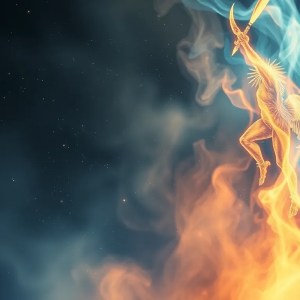
Runes and the Concept of Cosmic Order: Understanding Balance
1. Introduction to Runes in Norse Mythology
Runes are not merely letters; they are symbols imbued with deep meaning and historical significance in Norse mythology. Originating from the ancient Germanic tribes, runes were used for writing, divination, and magical purposes. Each rune embodies a specific concept or idea, acting as a bridge between the physical and spiritual worlds.
Central to Norse belief is the concept of cosmic order, known as Wyrd. This term encapsulates the idea of fate and destiny, suggesting that all events are interconnected within a greater cosmic framework. In understanding runes, one begins to grasp the balance inherent in the universe, as well as the role individuals play within that balance.
2. The Origin of Runes: A Divine Gift
According to Norse mythology, the origin of runes is closely tied to the god Odin. The tale goes that Odin sacrificed himself by hanging on the World Tree, Yggdrasil, for nine nights. During this time, he gained profound wisdom and the knowledge of runes, which were revealed to him as a divine gift.
This myth highlights the connection between runes and the Nine Worlds of Norse cosmology, illustrating how runes serve as a key to understanding the intricate web of existence that binds these realms together. Each rune can be seen as a thread in the fabric of reality, contributing to the cosmic order.
3. The Structure of Runes: The Elder Futhark
The Elder Futhark is the oldest form of the runic alphabet, consisting of 24 characters. Each rune is associated with specific meanings and concepts. Below is a brief overview of some of the key runes:
- Fehu (ᚠ): Wealth and abundance
- Uruz (ᚢ): Strength and vitality
- Thurisaz (ᚦ): Protection and conflict
- Ansuz (ᚨ): Communication and knowledge
- Raido (ᚱ): Journey and movement
Each rune not only represents a concept but also contributes to the idea of cosmic balance. For instance, while Fehu signifies wealth, it also emphasizes the importance of sharing and the responsibilities that come with abundance.

4. Runes as Symbols of Balance
Runes embody various aspects of life and nature, reflecting the duality present in the universe. This duality can be seen in the following ways:
- Creation and Destruction: Runes like Thurisaz can signify both the force of protection and potential conflict, illustrating how creation often comes with destruction.
- Chaos and Order: The balance between Hagalaz (hail, representing chaos) and Jera (year, representing the cycle of life) showcases how chaos is necessary for growth and new beginnings.
This balance is not merely theoretical; it is a fundamental principle of existence in Norse cosmology. Understanding the dual nature of runes allows individuals to navigate their lives with greater awareness of the forces at play.
5. The Role of Runes in Divination and Fate
Runes have long been used in divination practices, wherein practitioners cast runes to gain insight into their lives and the future. This practice, known as rune casting, involves drawing runes from a bag or throwing them on a surface, followed by interpretation based on their positions and meanings.
The concept of fate, or Wyrd, is deeply intertwined with runic divination. In Norse belief, fate is not fixed; it is constantly influenced by the choices individuals make. Runes serve as a tool to uncover the threads of fate, helping individuals understand their place within the cosmic order and the potential paths available to them.
6. The Interplay Between Runes and the Elements
Each rune is also associated with specific elements, reflecting the balance of the universe. For example:
- Fehu: Associated with Earth, representing material wealth and physical strength.
- Raido: Linked to Air, symbolizing movement and communication.
- Thurisaz: Connected to Fire, illustrating the transformative power of conflict.
These elemental associations not only enhance the meanings of the runes but also serve as reminders of the interconnectedness of all things. By understanding the elements represented by runes, individuals can better appreciate the balance of forces within their lives and the world around them.
7. Runes in Modern Practice: Reviving Ancient Wisdom
In contemporary spirituality, runes have seen a resurgence. Many practitioners incorporate runes into their spiritual practices as a means of connecting with ancient wisdom and understanding modern challenges. Runes are used for:
- Meditiation: Individuals meditate on specific runes to gain insights and clarity.
- Journaling: Runes can inspire reflective writing and personal growth.
- Spiritual Growth: They serve as a tool for exploring personal journeys and understanding one’s place in the cosmos.
The relevance of cosmic order and balance remains significant today, as people seek to ground themselves amidst the chaos of modern life. Runes offer a pathway to reconnecting with nature, the elements, and the age-old wisdom of the Norse tradition.
8. Conclusion: The Enduring Legacy of Runes and Cosmic Order
The importance of runes in understanding balance cannot be overstated. They serve as symbols that encapsulate the intricate relationship between creation and destruction, chaos and order, and fate and free will. Through the study and practice of runes, individuals can gain a deeper appreciation for the cosmic order that governs their lives.
As we navigate the modern world, the lessons embedded in Norse mythology and the wisdom of runes provide valuable insights into the nature of existence. The enduring legacy of runes reminds us that we are all part of a larger tapestry, woven together by our choices, experiences, and the cosmic forces that shape our reality.