The Giants of Jotunheim: A Reflection of Cultural Identity
I. Introduction
Norse mythology is a complex tapestry woven from tales of gods, creatures, and the very fabric of existence itself. It holds a significant place in the cultural heritage of Northern Europe, influencing literature, art, and modern media. Central to these myths is Jotunheim, the realm of the giants, a place that embodies the chaotic and untamed aspects of nature.
This article aims to explore the giants of Jotunheim and how they reflect the cultural identity of the Norse people. Through their characteristics, roles, and representations in myths, we can gain insight into the values and fears of the societies that told these stories.
II. Understanding Jotunheim
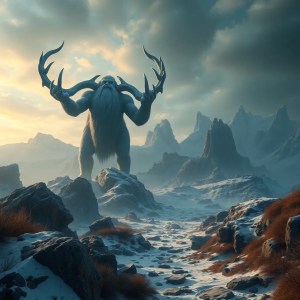
Jotunheim, known as the land of the giants, is one of the nine realms in Norse cosmology. It is depicted as a wild and rugged landscape, filled with mountains, forests, and icy expanses. Its geographic significance lies not only in its physical attributes but also in its mythological importance as the home of the Jotnar, or giants.
In Norse cosmology, Jotunheim exists in contrast to Asgard, the realm of the gods. The distinction between gods and giants is crucial; while gods represent order, wisdom, and civilization, the giants symbolize chaos, nature, and primal instincts. This dichotomy highlights the balance that the ancient Norse believed was necessary for the cosmos to function.
III. The Nature of the Giants
The giants of Jotunheim are diverse in their characteristics and qualities. They are often portrayed as enormous beings with immense strength and magical powers. While some giants are malevolent, others possess a more neutral or even benevolent nature, reflecting the complexity of the natural world.
- Frost Giants: Known as the Jotnar of ice and cold, these giants are often depicted as cruel and hostile, embodying the harshness of winter.
- Mountain Giants: These giants are associated with rugged landscapes and are typically seen as guardians of the mountains.
- Fire Giants: Representing chaos and destruction, fire giants are often linked to the elemental force of fire and are seen as adversaries to the gods.
The symbolism associated with giants is profound. They can represent the raw and untamed forces of nature, embodying humanity’s fear and respect for the environment. The giants serve as a reminder of the delicate balance between civilization and the wild, chaotic aspects of life.
IV. The Giants as Cultural Archetypes
In Norse culture, giants are often seen as representations of chaos and the natural world. They embody the fear of the unknown and the respect for nature’s power. The giants frequently appear as adversaries of the gods, creating a balance between order and chaos essential to the Norse worldview.
Folklore surrounding giants often emphasizes their dual nature. While they can evoke fear, they also symbolize the respect that the Norse had for the natural elements. This duality is reflected in various myths where giants interact with gods and humans, often leading to lessons about humility and the consequences of hubris.
V. Giants and Human Identity
The relationship between humans and giants in Norse mythology is intricate and multifaceted. Giants often represent the darker aspects of human nature, such as greed, anger, and the desire for power. Through their interactions with giants, humans are confronted with their own emotions and struggles.
Many myths convey moral lessons derived from these encounters. For example, the tales of gods outsmarting giants often highlight the importance of wit over brute strength, suggesting that intelligence and cunning are valuable traits in overcoming life’s challenges.
VI. The Giants in Modern Interpretations
In contemporary literature and media, giants continue to captivate audiences. From Marvel Comics to blockbuster movies, the portrayal of Norse giants has evolved, yet their essence remains rooted in the original myths. This resurgence of interest reflects a broader cultural fascination with Norse mythology and its relevance to modern identity.
Giants serve as symbols of personal and cultural empowerment, representing the struggle against overwhelming odds. They remind us of our connection to nature and the importance of understanding our own place within the greater cosmos.
VII. The Giants and Environmental Themes
The giants of Jotunheim can be seen as representations of the natural world and its immense power. In a time when environmental issues are at the forefront of global discussions, the relevance of Jotunheim and its giants becomes increasingly significant.
As we confront climate change and ecological degradation, the myths of giants can inspire a deeper connection to the land and nature. The cultural identity tied to the land through these myths encourages respect for the environment and highlights the consequences of disregarding nature’s balance.
VIII. Conclusion
The giants of Jotunheim play a crucial role in reflecting the cultural identity of the Norse people. They embody the complexities of nature, the struggle between chaos and order, and the moral lessons that arise from human interactions with the natural world. The enduring legacy of Jotunheim and its giants continues to resonate in contemporary culture, reminding us of the importance of understanding these myths in today’s context.
As we explore these ancient stories, we gain valuable insights into our own identities and the cultural narratives that shape our understanding of the world around us.